WEEKLY PICKS / ISSUE 2026-W46
Builds to watch: 10 AI-assisted games of squads, decks and upgrades
Ten games for players who enjoy building a team, a deck or a loadout before the next fight.
A different build should give you another way to approach the next fight. These ten projects put that idea into creature teams, spell decks, interchangeable mech parts and chains of upgrades. Each has a concrete record of substantial AI-assisted development, with the human contribution kept visible. One is already released; the others are development projects to follow. The access labels matter as much as the tempting combinations.
Availability and AI disclosures checked 2026-11-09. One paid game is released. Four upcoming games offer Steam demos, and Tinymon Tactics separately offers a Steam Playtest sign-up. The remaining four are projects to follow.
Metal Wayfarer
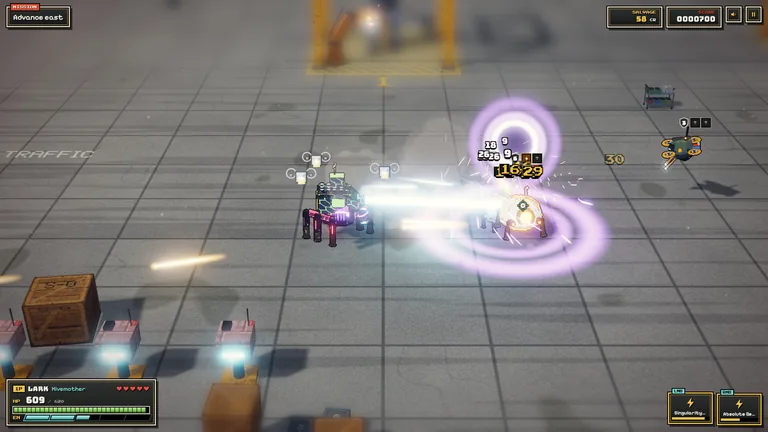
Metal Wayfarer makes the body part of the loadout. Changing a mech's torso and legs is meant to alter movement and survival alongside the weapons on its arms; recovered schematics then open more combinations between contracts. Its salvage loop promises to feed a different machine, whether on treads or spider legs. This single-player shooter remains upcoming. KRUMB Games attributes its in-game content to AI, while the creator describes extensive Opus-assisted production through detailed instructions and repeated revisions. That human direction matters; the broad claim is not an independently measured development share.
Tinymon Tactics
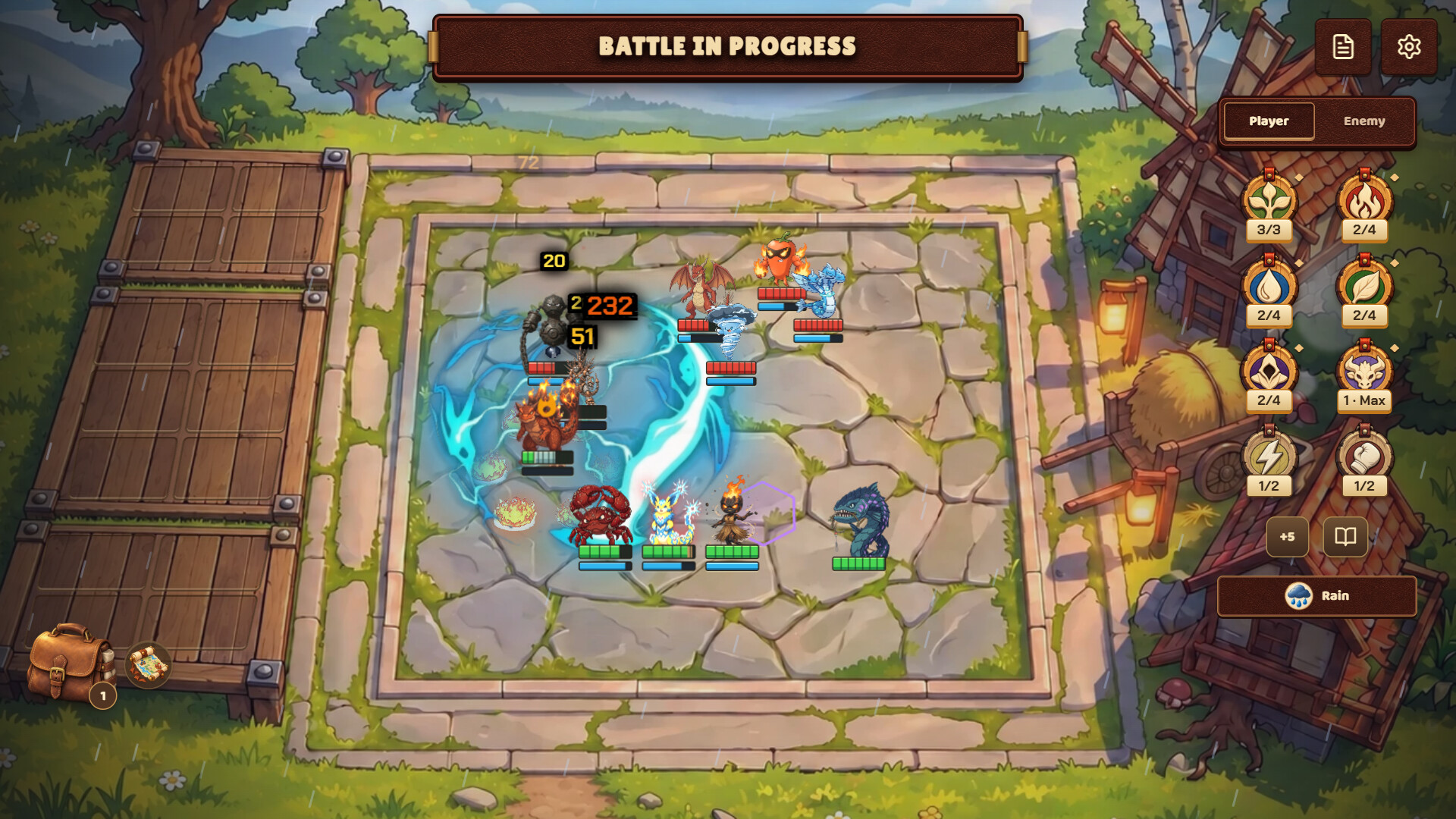
Tinymon Tactics puts the build in your shopping and positioning. Recruit creatures, arrange them on a hex board, and combine three copies into an evolution before watching the battle resolve. Relics and individual items offer ways to change a team's priorities, while permanent camp unlocks broaden later runs. Planned for Q1 2027, the single-player auto-battler has no timer pressing you to move. Steam offers a separate Playtest sign-up. Its two-person team discloses AI-assisted illustrations and partial coding on an existing human codebase. People retain creature concepts, rules, balance and architecture, and manually edit and assemble the generated artwork.
SumMon
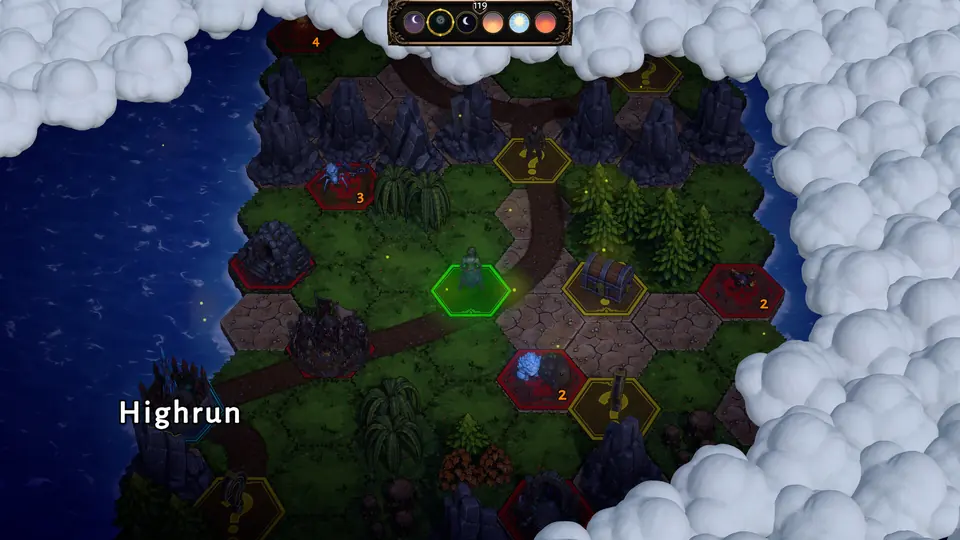
SumMon connects creature capture and shapeshifting with a battlefield that can change under your feet. Its description names frozen ground, electrified smoke and a substantial range of status effects, making the interaction between a form and its surroundings the reason to investigate. The story follows an exiled summoner trying to challenge an official account of a fatal incident. The full game is planned for Q1 2027, with a demo offered separately. The developer credits generative tools for visual assets, alongside manual editing and art direction. That establishes a visual-production role, without implying AI-authored combat code or story.
Another One
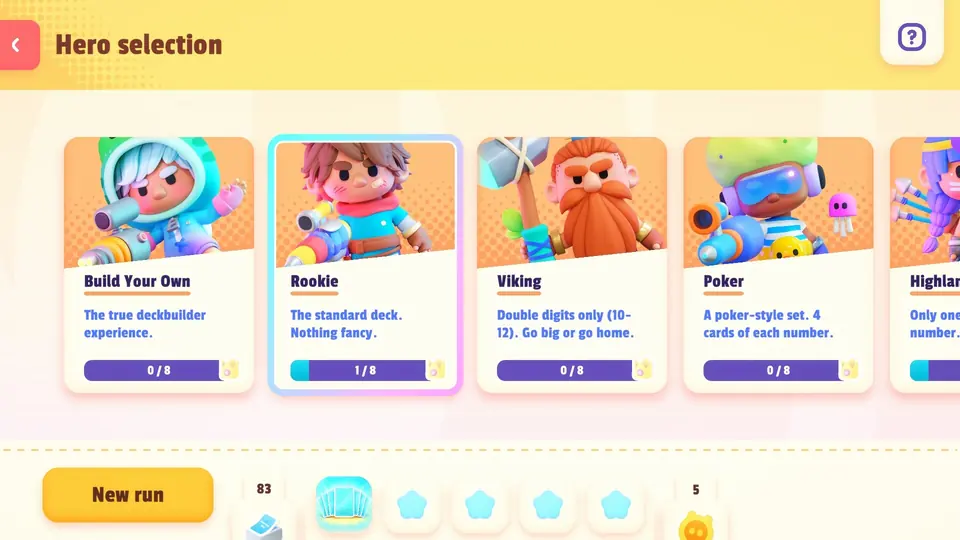
Another One turns drawing another card into a risk you can build around: numbers add damage, but a duplicate wipes out the hand. Different heroes change the deck's composition, and a separate custom-deck mode starts with coins and an empty collection to shape. That makes the tempting extra draw depend on earlier construction choices. The full game is planned for March 2027; Steam offers a separate demo without establishing that every advertised mode is included. Solo developer Giacomo Daniele Nicotra discloses AI-assisted game art and character designs. The source does not establish who authored the code or rules, so those remain unassigned.
Gangs of Nightglade
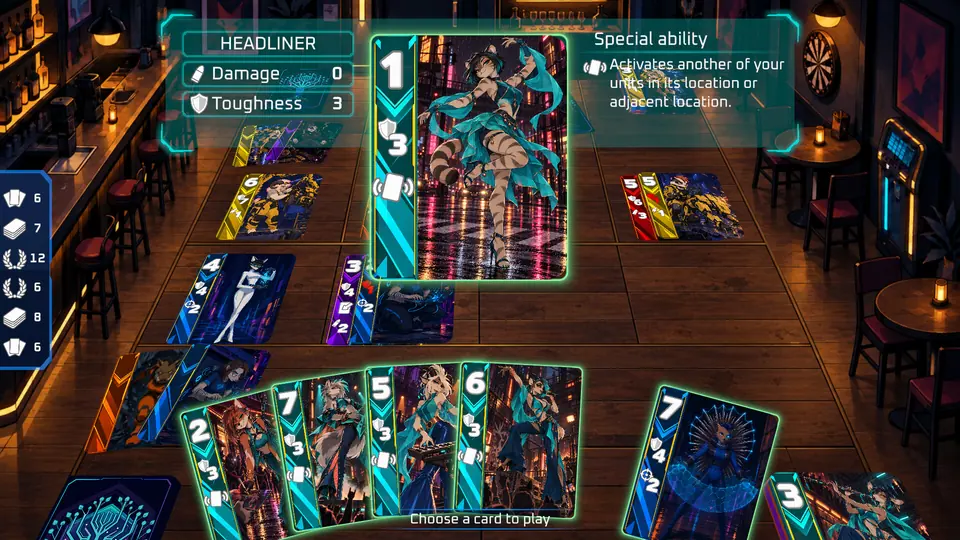
Gangs of Nightglade gives a played card two possible jobs: deploy matching cards to locations, or activate matching units already on the board. Building poker hands therefore shares space with disrupting the opponent's setup. Leaders and supporting classes shape the available tools before a skirmish, while an announced story campaign adds gang development and consequential alliances. The full game is planned for Q2 2027, with no demo offered on the checked page. Massive Mustache credits AI-generated illustrations and music; the developer selects and edits the artwork. That production disclosure does not establish AI-authored rules, code or branching narrative.
ABYSS CHRONICLES
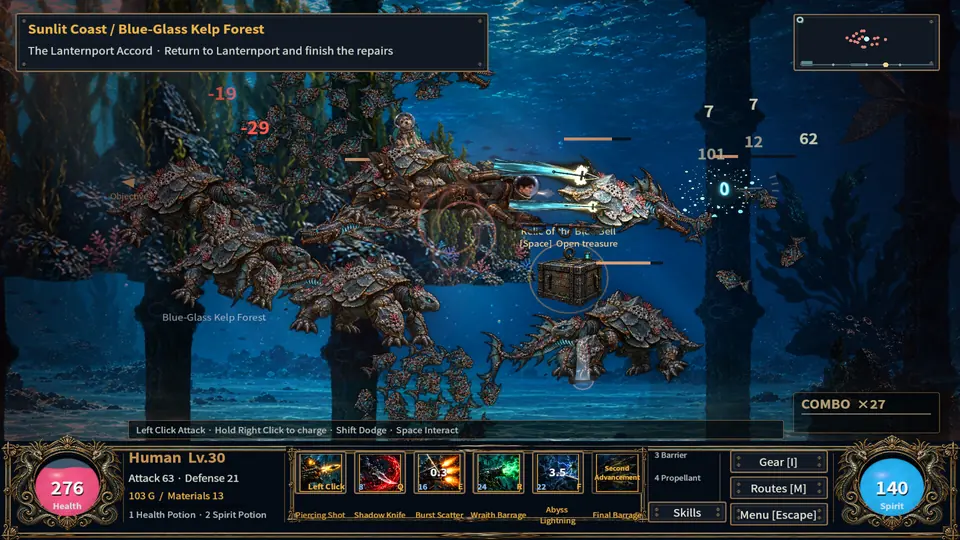
ABYSS CHRONICLES proposes six races with different ways to build a fighter: machine modules, evolving organs, orbiting weapons and other race-specific systems. Legendary effects, sockets and rerolled affixes add another layer to the deep-sea action RPG. Its appeal is a character whose equipment system changes with the body you choose. The full game remains upcoming; demo timing is not yet confirmed. The solo creator reports Claude implementation and Codex assistance, while Steam documents generated visual, writing and audio work. Human direction and review remain part of that workflow.
CODEX MORTIS
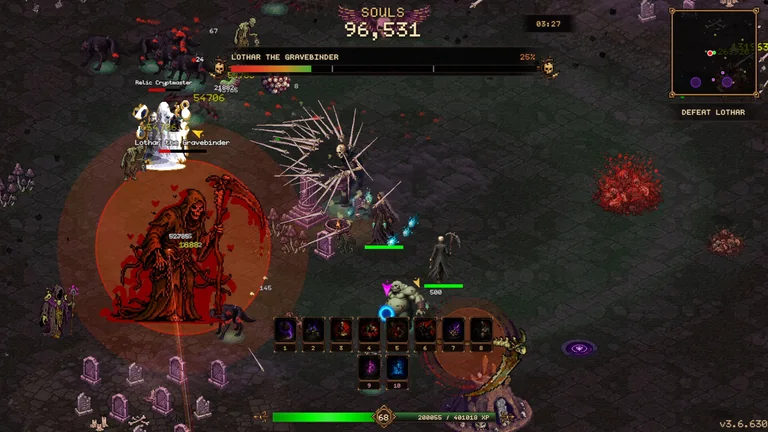
CODEX MORTIS makes preparation part of its horde-survivor loop. Assemble a spell deck before a mission, then use earned points for booster packs that widen the next build. Mutations alter spell patterns and summons, giving familiar tools another shape. The released full game advertises solo play, local co-op and online parties of up to four; those modes should not be assumed for a separate demo. Steam credits AI across code, text, art and audio. The developer's process account also describes human architecture, creative constraints and testing, so this is extensive assisted production with identifiable human decisions.
Everbreak
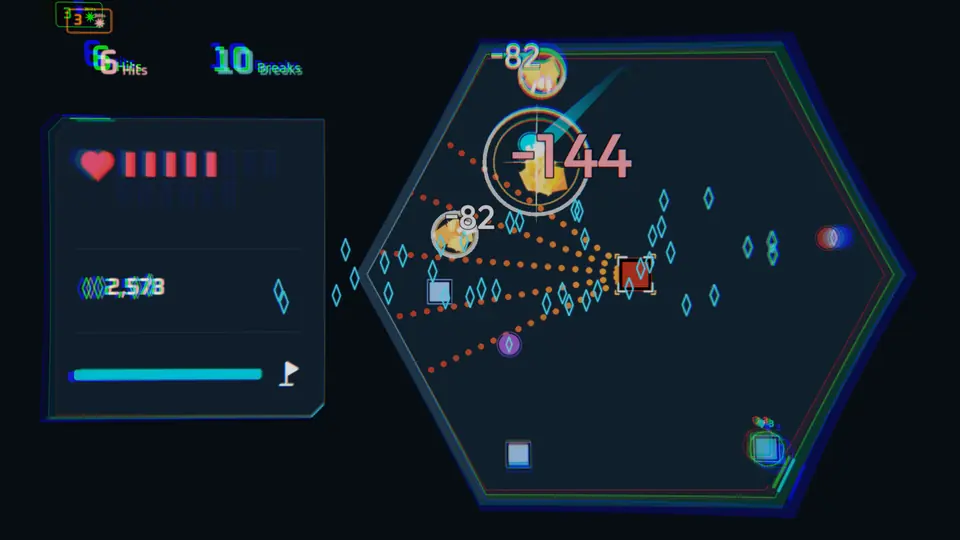
Everbreak gives incremental progression a physical question: where will the orb bounce, and where will it stop? Resources can improve attack power, extend the visible ricochet path or support critical hits and explosions. Those choices make an attempted chain of broken blocks worth reconsidering as the orb develops. The game remains upcoming. In a 12 October development account, the creator describes using Claude and Codex to migrate a hand-coded Unity project to Godot, then handing subsequent implementation to an agent. The original concept, earlier human code and continuing visual direction remain credited to the creator.
An Archers Fate
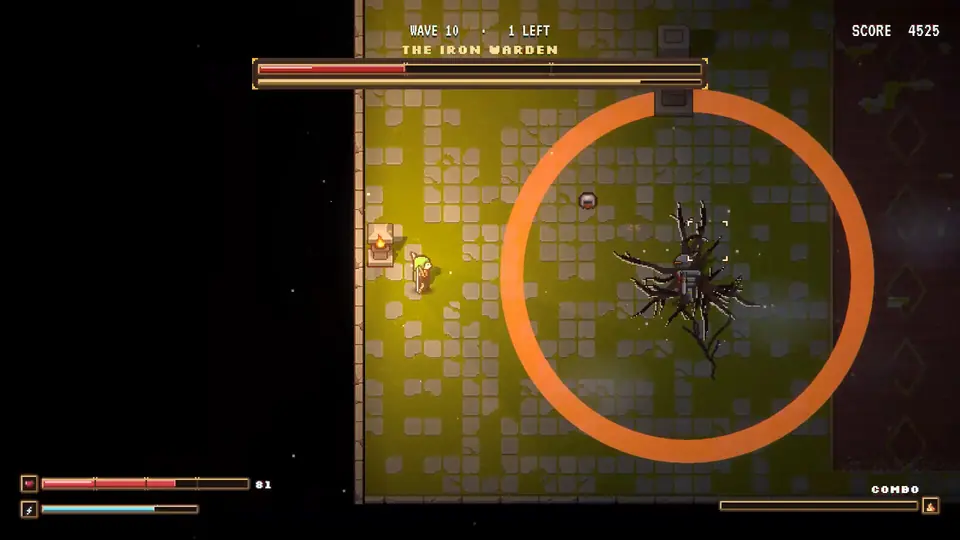
Perfectly timed arrows are free in An Archers Fate; rushed shots consume the energy also used for dodging. Between waves, upgrade choices can add ricochets, split shots or other effects; combinations and curses create a second problem alongside landing the shot. Arena traps can also catch enemies, rewarding attention to where a build sends them. The main game remains upcoming, with a free first-ten-waves demo advertised separately. Developer-directed AI art covers characters, interface and some arenas. Other environment art, music and effects are licensed human work, with no AI-code claim established.
Dreadmark
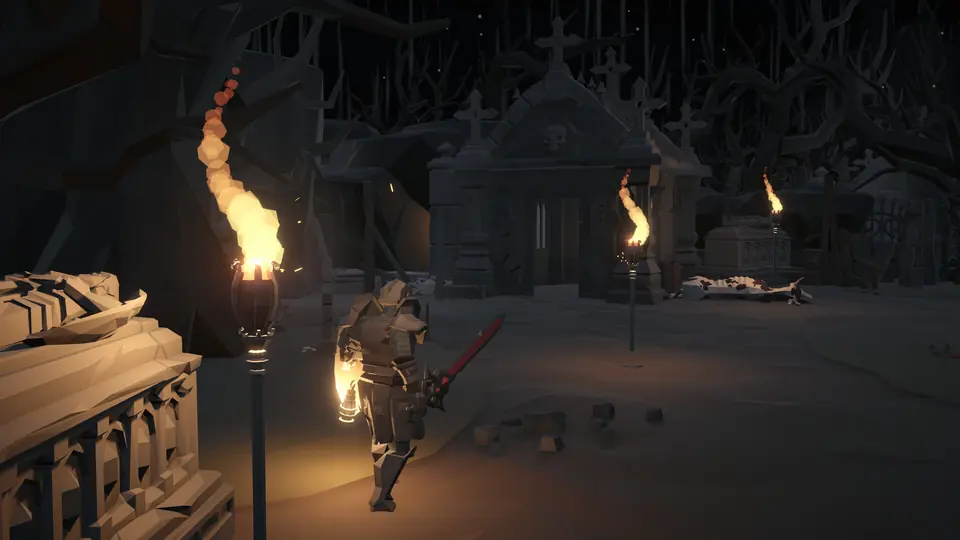
Dreadmark's proposed builds connect class skills, modifying runes and equipment affixes. A Templar turns hits and blocks into Wrath; a Witch spreads damage before bursting infected targets. Rerolling equipment offers another layer, with a risky sigil able to improve an item or ruin it. The full action RPG is planned for Q2 2027 Early Access; Steam offers a separate demo, and co-op belongs to later plans. The developer discloses generated music, voices, effects and selected 2D presentation, chosen and edited by people. Its 3D models and animations are licensed human assets, and AI-authored combat code is not established.
Start with the mechanic.
Start with the kind of construction you enjoy: a creature lineup, a deliberately risky deck, a changing machine or a single skill surrounded by complementary upgrades. Check the dated access label before choosing a game to try. The free AI Made Games Steam curator has further discoveries and the sources behind them. For a smaller, filterable starting point, open the free demo picker.
Keep discovering.
Follow AI Made Games on Steam for more unusual games, developer stories and specific AI disclosures. Following the curator is free.