PLAYER GUIDE / THREE PRODUCTION ROUTES
AI game art can
begin with code.
An AI-assisted game can contain pictures drawn by procedural code, edited image-model output, or scenes assembled from generated 3D models. Three current Steam projects make that distinction concrete—and offer very different reasons to look beyond the production label.
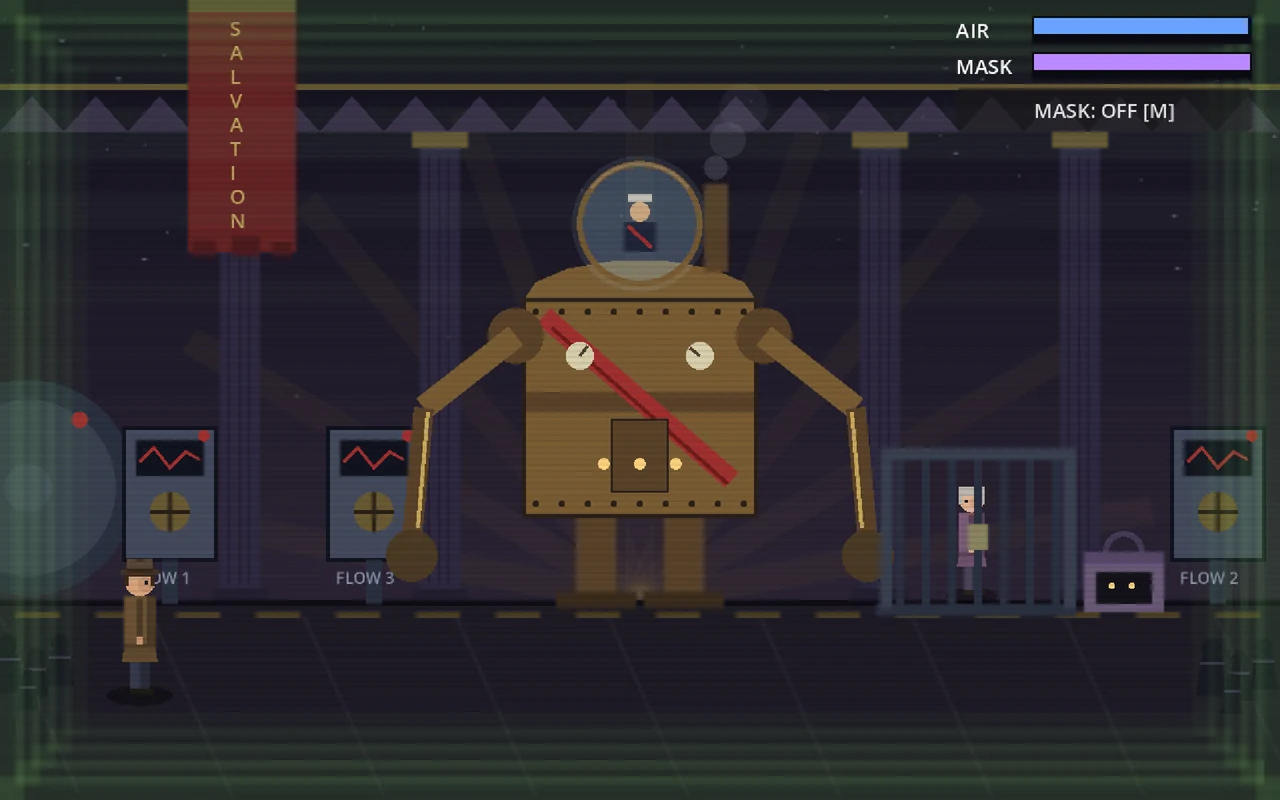
One Rainy Night: code draws the scene
Detective Cole arrives in Sleepy Falls to collect his cat and finds an emptied town. One Rainy Night builds its mystery around inventory and environmental puzzles, with a context-sensitive cursor, hints and difficulty that can ease after failed attempts. The paid adventure is available now.
Its developer, Werner Viljoen, credits Claude with assistance on source code and the procedural code that draws the art and composes music and sound effects. Here, AI assistance reaches the picture and soundtrack through procedural code.
The underlying story is credited to Ben M Stroud. Dialogue and descriptive text received AI assistance, while the developer directed, reviewed, curated and tested the work. Human story authorship and AI-assisted dialogue are separate credits here.
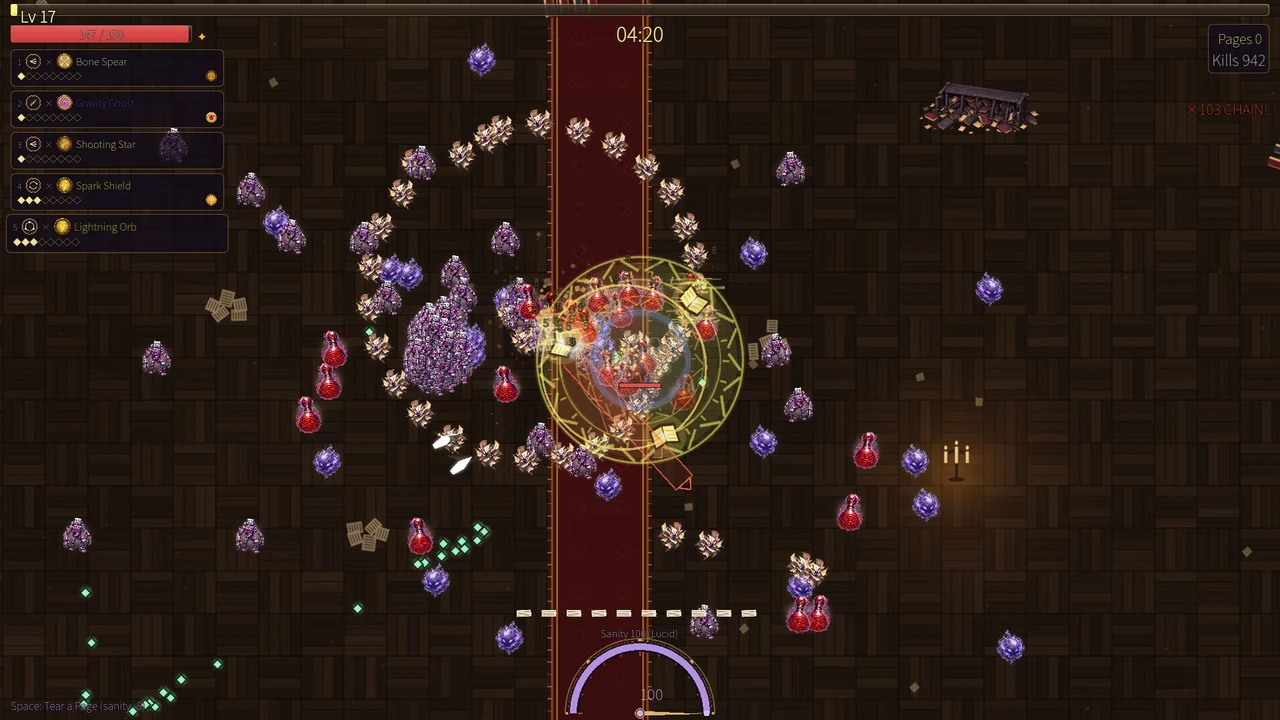
Arcane Survivors: images become building blocks
Arcane Survivors puts a spell-making decision inside a library full of enemies: combine verb and noun runes, then modify the spell. Its main game remains upcoming; a separate free Windows demo is listed on Steam.
The production account identifies image-model output directly. Some unit sprites, background tiles, rune icons and key art came from OpenAI ImageGen, then were curated, edited and composited by people. Portions of the game code received Claude Code or Codex assistance under human review.
Music and effects are described as procedural synthesis, explicitly without AI-generated audio. A procedural soundtrack therefore does not, by itself, tell you whether a generative music model was involved.
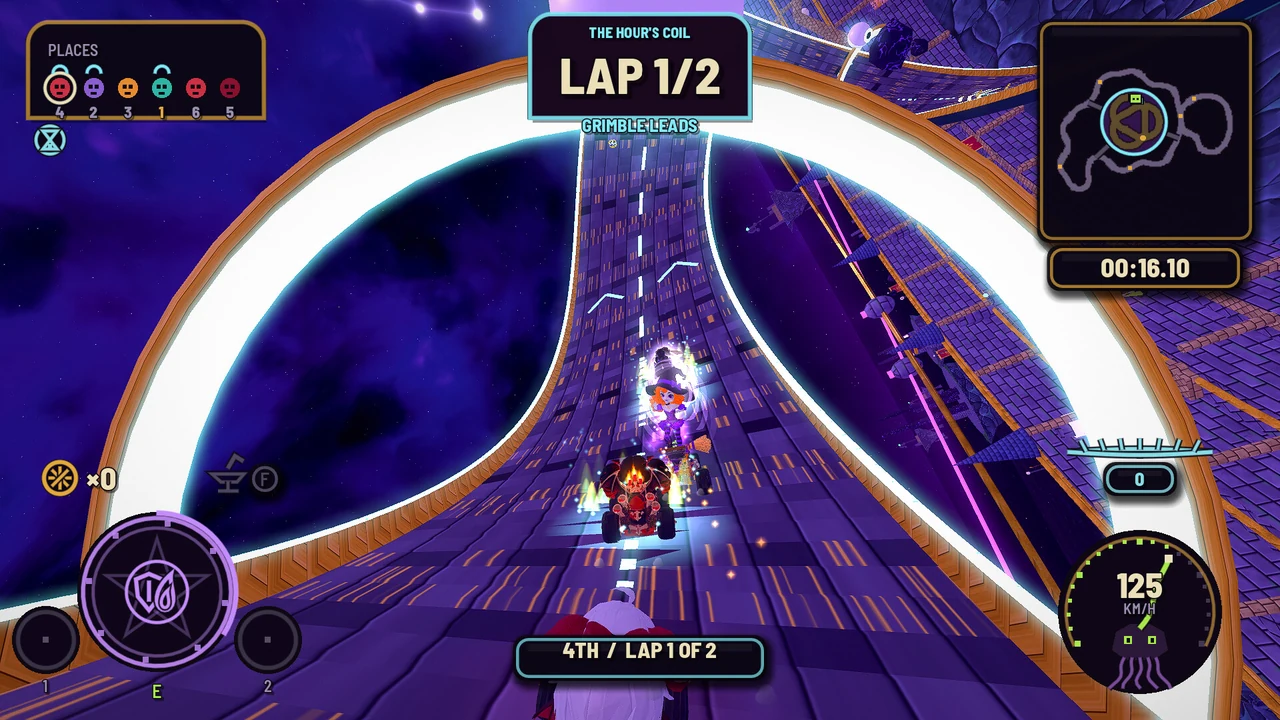
Eldritch Drift: scripts build a world around models
Eldritch Drift connects kart drifting to patron gods: wake one and its powers and traps change the race. Collectible runes can be fired or combined into altered spells. A free demo is available; the full game is planned for 2027.
The creator credits Claude Code with nearly all the code, including Blender Python scripts for tracks, props and gods. The six drivers and their karts are Meshy models. Human work includes design, direction, playtesting and repeated visual corrections. Music uses NumPy synthesis, not an AI music model.
The useful question is what was produced
Each production account is more useful than a single AI label. The adventure offers a detective story and puzzles; the survivors-like offers spell construction; the racer offers shared-screen competition. Those choices matter alongside the tools used to build them.
Production also leaves a separate question about play. One Rainy Night and Arcane Survivors explicitly say no AI content is generated while playing. Eldritch Drift's production account does not establish that same runtime boundary. Procedural code executing during play does not, by itself, establish a running generative AI model.
For more unusual games with specific production credits, follow the free AI Made Games Steam curator.
Sources and credits
One Rainy Night: game, availability and developer disclosure; Arcane Survivors: game and disclosure; the separate Arcane Survivors demo; Eldritch Drift: game and demo offer; Eldritch Ostrich’s 2 November production account. The production roles above are the creators’ accounts. The screenshots illustrate the games; appearance alone does not verify how an asset was made.
Related: what a Steam AI disclosure covers · the rune-forging kart racer in more detail.